
If you’ve lived in Kingwood long enough, you know allergies aren’t just seasonal. They’re a year-round nuisance.
Winter brings cedar fever. Spring kicks off a wave of tree pollen that stretches into summer. Fall follows with ragweed that makes everything worse. Seasonal allergens don’t stay outside, either. They make their way into your home every time your HVAC system runs.
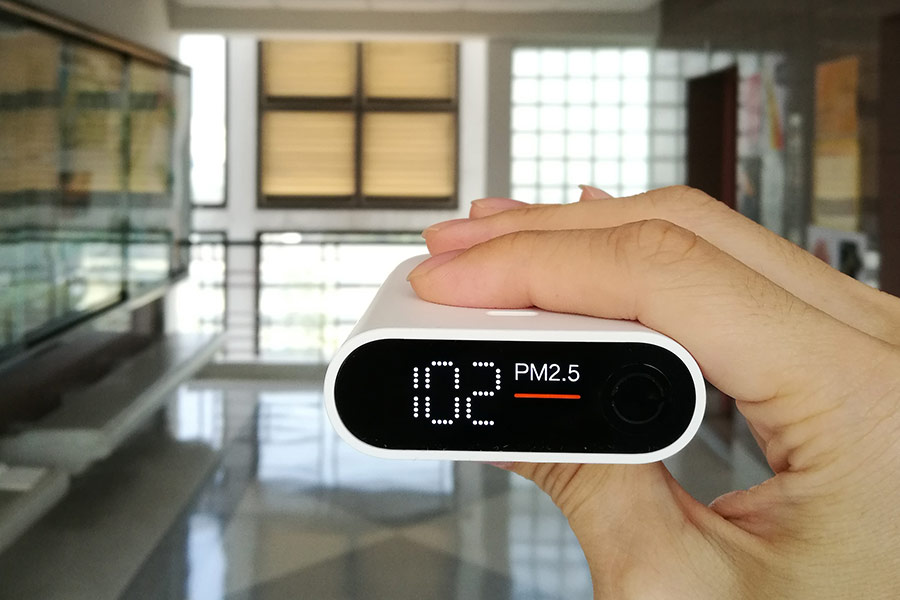
In this post, we’ll cover practical ways to improve indoor air quality and keep allergens from taking over your Kingwood home. If you have small children, pets, or elderly family members, cleaner air makes a real difference in day-to-day comfort and health.
Here are four tips for a safer, more breathable home:
Change Your Air Filters Regularly
One of the most impactful steps toward better IAQ is keeping up with regular filter replacements. Filters should be checked monthly and swapped out every one to three months, depending on your household’s dust levels, pet dander, and allergen exposure.
For homes in Kingwood dealing with heavier pollen loads during spring and summer, upgrading to high-efficiency particulate air (HEPA) filters can capture significantly smaller particles and provide an added layer of protection throughout allergy season.
Control Humidity Levels in Your Home
Kingwood’s heat and humidity are intense during the summer months, and lately they’ve stretched into late spring and early fall. Average humidity levels in the area can climb above 90% in peak summer, creating conditions that allow mold and fungi to thrive indoors. According to the EPA, indoor relative humidity should stay between 30% and 50% to discourage mold growth and reduce dust mite activity.
The most reliable solution is a whole-home dehumidifier. It works alongside your HVAC system to remove excess moisture continuously, keeping your home more comfortable and helping prevent the mold and musty odors that are common in homes throughout the Kingwood area.
Improve Ventilation and Fresh Air Circulation
Ventilation plays a key role in diluting indoor pollutants and keeping air fresh throughout the home. While opening windows helps when outdoor conditions allow, the most consistent long-term solution is a mechanical ventilation system.
An Energy Recovery Ventilator (ERV) integrates directly with your HVAC system to cycle fresh air in and stale air out without sacrificing energy efficiency or indoor comfort. For homes along the older tree-lined streets near Kingwood’s Town Center or within Forest Cove, where homes tend to run sealed and tight, proper mechanical ventilation makes a noticeable difference in air quality.
Use an Air Purifier To Reduce Allergens and Indoor Pollutants
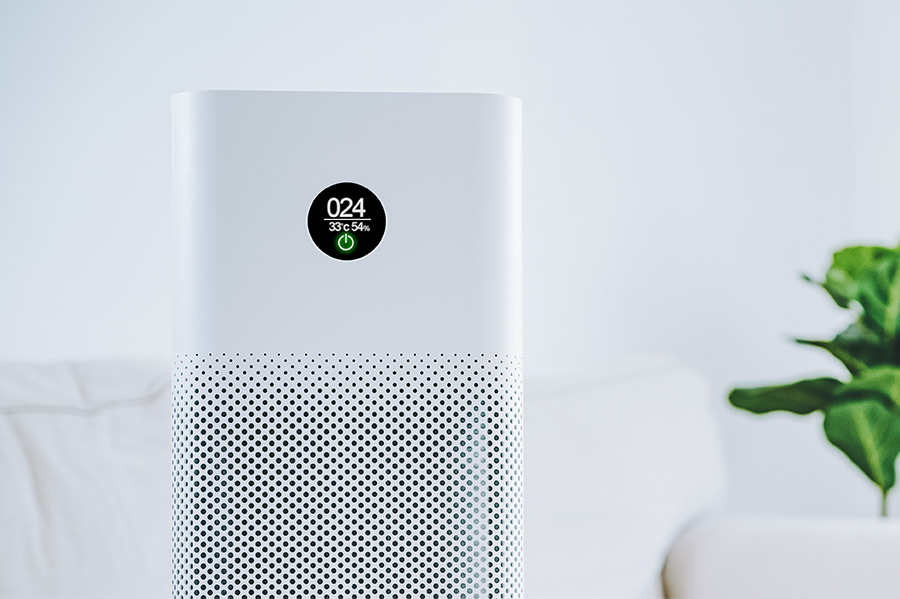
For a more advanced approach to IAQ, adding a purifier to your HVAC system is one of the most effective options available. The U.S. Department of Energy notes that improved ventilation and air filtration can meaningfully reduce exposure to indoor pollutants. Crew Heating & Cooling offers several types of purifiers based on your home’s needs:
- Stand-Alone Purifiers: Portable units that clean the air in a single room by filtering out dust, dander, pollen, smoke, and odors. Some models include UV light and ionization for added protection.
- In-Duct Purifiers: Whole-home systems that work with your HVAC to remove 99% of viruses, 98% of bacteria, 99% of odors, and 78% of mold, making them significantly more effective than portable units.
- UV Purifiers: Use ultraviolet light to neutralize airborne particles, eliminate odors, and kill germs. A strong option for homes dealing with persistent bacteria, viruses, or lingering smells.
If you aren’t sure which type fits your home, our team can walk you through the best option based on your household’s specific needs.
Schedule Routine HVAC Maintenance
IAQ isn’t just about the products you add. It’s also about keeping your existing system clean and running properly. Dust, pet dander, mold spores, and outdoor allergens build up inside ductwork and HVAC components over time, continuously recirculating through your home.
Routine HVAC maintenance helps prevent this buildup, keeps your system operating efficiently, and gives a technician the chance to catch small IAQ issues before they become bigger problems. In our service calls throughout Kingwood, we regularly find that homes with consistent maintenance schedules have noticeably cleaner air and fewer allergen complaints year-round.
Protecting Indoor Air Quality in Your Kingwood Home
Improving indoor air quality doesn’t require a single fix. It takes a layered approach. Filter upgrades, humidity control, proper ventilation, air purification, and regular maintenance all work together to create a cleaner, healthier home environment.
Working in homes across Kingwood, our team understands how local conditions drive IAQ challenges that homeowners in other regions simply don’t face. If you’re ready to take the next step, schedule your HVAC service today and let Crew Heating & Cooling help you find the right solution for your home.
Frequently Asked Questions
How often should I change my HVAC filter in Kingwood, TX?
Most homes benefit from a filter change every one to three months. Homes with pets, allergies, or heavy pollen exposure may need more frequent replacements.
What humidity level should I maintain indoors?
The EPA recommends keeping indoor humidity between 30% and 50% to prevent mold growth and reduce allergens.
What is the difference between a stand-alone and in-duct air purifier?
Stand-alone units treat a single room, while in-duct purifiers work with your HVAC system to filter air throughout the entire home.
Can an air purifier help with cedar fever and ragweed allergies?
Yes. In-duct and HEPA-based purifiers are effective at capturing airborne pollen, including the allergens common during Kingwood’s cedar and ragweed seasons.
How does routine HVAC maintenance improve indoor air quality?
Regular maintenance keeps your system clean, reduces dust and allergen buildup inside ductwork, and ensures your equipment is filtering and circulating air as efficiently as possible.