
Key Points
- AC size is measured in BTUs and cooling tonnage, not physical dimensions
- Oversized and undersized units both cause comfort and efficiency problems
- Square footage is a starting point, but ceiling height, insulation, sun exposure, and local climate all affect the right size
- New Caney’s humid subtropical climate often calls for slightly higher-capacity systems
- A professional load calculation ensures you get the right fit the first time
People often ask, “What size AC unit do I need?” when upgrading their system or moving into a new home. It is one of the most important decisions you can make for year-round comfort, especially with the intense heat and humidity in New Caney.
As the team behind AC installation in New Caney, TX, we at Crew Heating & Cooling have helped hundreds of homeowners find the right system for their specific property. Here is what you need to know before making that investment.
What Does AC Unit Size Mean?
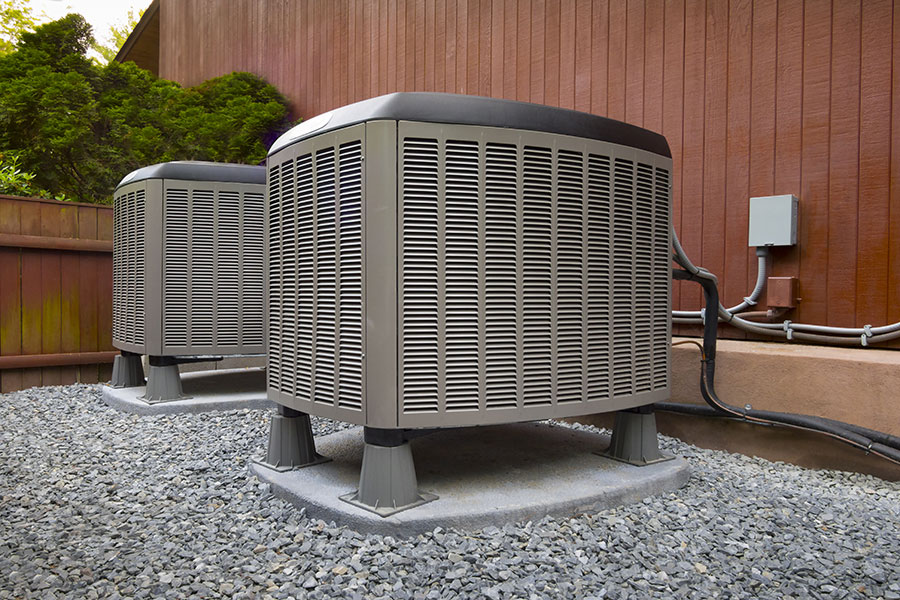
AC sizing refers to cooling capacity, measured in British Thermal Units (BTUs) or tons of cooling capacity, not the physical size of the equipment. BTUs indicate how much heat a system can remove from your home per hour.
Getting this wrong in either direction creates real problems:
- Oversized units cool too quickly, short-cycle, waste energy, and leave interiors feeling muggy
- Undersized units run constantly, struggle to keep up on peak summer days, and drive up your energy bills
How to Calculate the Right AC Size for Your Home in New Caney
Start by measuring the length and width of each room you want cooled, then multiply to get the square footage. Add those figures together for your home’s total square footage.
Use this formula as a baseline:
Total Square Footage x 25 = Required BTUs
You can also reference this quick estimate chart:
Total Square Footage | BTUs Required |
Under 600 | 12,000 |
600 to 1,000 | 18,000 |
1,000 to 1,500 | 24,000 |
1,500 to 2,000 | 30,000 |
2,000 to 2,500 | 34,000 |
2,500 to 3,300 | 42,000 |
Keep in mind this chart gives a starting estimate only. A proper Manual J load calculation performed by a licensed HVAC technician accounts for all the variables unique to your home.
Why Square Footage Alone Won’t Get You the Right AC Size
Square footage is just one piece of the puzzle. Several other factors affect how hard your system needs to work, especially in New Caney’s climate.
Here are the key variables that influence the right AC size:
- Sun exposure: South-facing homes along FM 1485 or near Valley Ranch Town Center get intense direct sunlight. North-facing rooms with fewer windows may allow for a slightly smaller unit.
- Insulation quality: Proper attic insulation reduces heat transfer significantly, which can lower the capacity your system needs to maintain comfort.
- Ceiling height: Rooms taller than the standard eight to nine feet have greater air volume and may require more cooling capacity.
- Number of occupants: People and pets generate body heat continuously. Homes with frequent gatherings warm up faster.
- Appliances: Ovens, dryers, and refrigerators all add heat. Proper kitchen and laundry ventilation helps offset this.
- Climate zone: New Caney’s humid subtropical climate means high heat indexes well into September. Pairing your system with a whole-home dehumidifier can dramatically improve comfort during the most oppressive summer months.
What About SEER2 Ratings?
BTUs measure cooling power, while SEER2 (the updated efficiency standard since 2023) measures how efficiently a system uses energy over an entire cooling season. A higher SEER2 rating means lower operating costs for the same level of comfort.
According to the U.S. Department of Energy, upgrading to a high-efficiency air conditioner can reduce energy use by 20 to 50 percent compared to older models. High-SEER2 units also offer these advantages:
Enhanced comfort: Variable-speed compressors provide more precise temperature and humidity control
Rebate eligibility: Many utility companies and government programs offer incentives for energy-efficient HVAC upgrades
Increased property value: High-efficiency systems are a strong selling point for buyers and renters
Routine AC maintenance is essential for keeping a high-SEER2 system performing at its rated efficiency year after year.
Get the Right AC Size for Your New Caney Home
Choosing the wrong system size costs you money upfront and in monthly energy bills. The most reliable way to get it right is through a professional assessment that accounts for your home’s full load requirements.
Our cooling specialists at Crew Heating & Cooling serve homes throughout New Caney and the surrounding Montgomery County area. Use our online pricing estimator to get a quick estimate, or reach out to schedule a full in-home assessment.
Frequently Asked Questions
What happens if I install an AC unit that is too large for my home? An oversized unit short-cycles, meaning it turns on and off too frequently. This wastes energy, causes uneven cooling, and puts unnecessary wear on the system.
Is a Manual J calculation necessary? It is the most accurate way to size an AC unit. Square footage charts provide a rough estimate, but a Manual J accounts for insulation, windows, ceiling height, and local climate.
How does New Caney’s humidity affect AC sizing? High humidity makes your home feel warmer than the actual temperature. This can require a slightly higher-capacity system or the addition of a whole-home dehumidifier.
What is a good SEER2 rating for a home in Texas? Most homeowners in Texas benefit from a SEER2 rating of 15 or higher. Higher-rated units reduce cooling costs significantly over the life of the system.
How often should I replace my AC unit? Most AC systems last 15 to 20 years with proper maintenance. If your current unit is aging and struggling to keep up with New Caney summers, a replacement assessment is worthwhile.